
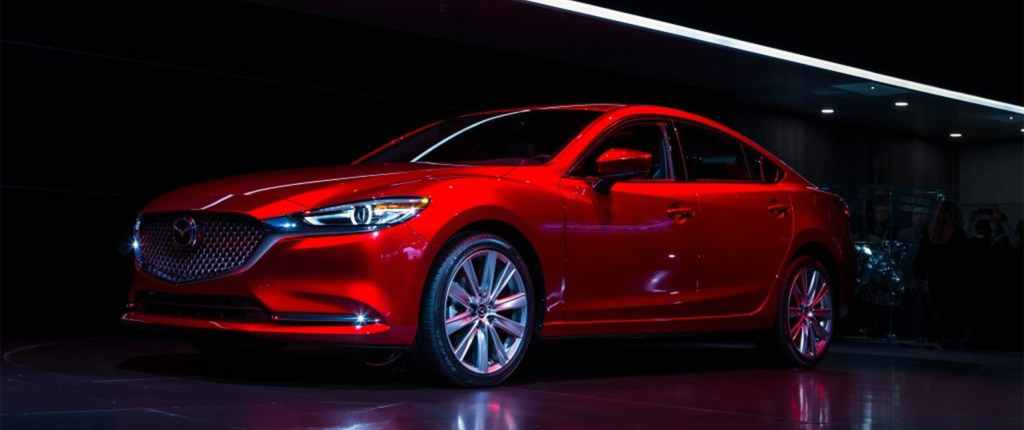
I recently purchased a 2018 Mazda 6, and while I was initially drawn to its sleek design and reputation for a spirited driving experience, I quickly discovered an unexpected bonus: the car’s advanced driver-assistance features. As I cruised down the highway, hands gently resting on the wheel, I couldn’t help but marvel at how smoothly the car navigated the curves and effortlessly adjusted its speed to maintain a safe distance from the vehicle ahead. But what surprised me most wasn’t just the convenience of these features – it was the noticeable boost in performance. The car seemed to glide through corners with an almost supernatural precision, and the acceleration was incredibly smooth and responsive. It was then I realized that these advanced systems aren’t just about taking over the wheel; they’re also about enhancing the driving experience in ways we never thought possible.
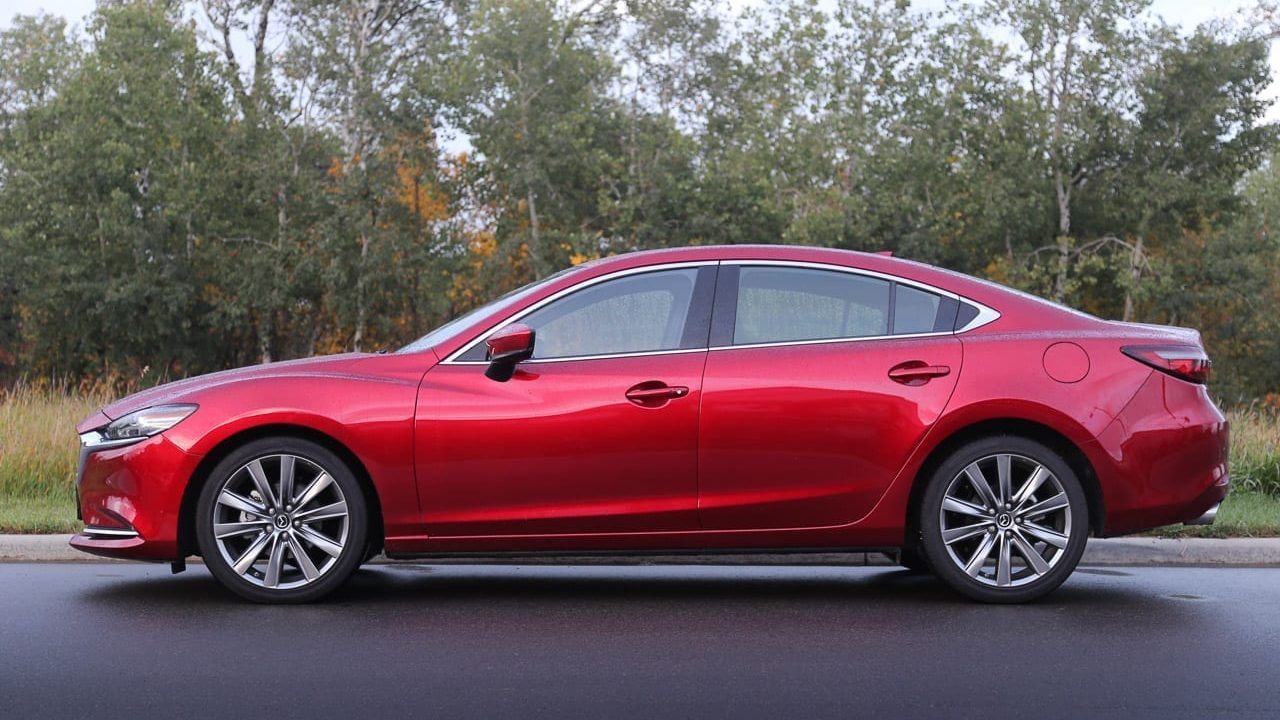
This experience sparked my curiosity about how these technologies can actually improve a car’s performance. It turns out that these systems, with their advanced sensors, AI, and control algorithms, can optimize handling, maximize efficiency, and even enhance speed. Let’s dive into the exciting world of performance enhancements in today’s cars and explore how they’re changing the way we think about driving.
Performance Enhancements: How Self-Driving Systems Can Boost Driving Dynamics
Self-driving systems aren’t just about autonomy; they also have the potential to revolutionize vehicle performance. By leveraging advanced sensors, AI, and control algorithms, they can enhance handling, efficiency, and even speed, leading to a more exciting and engaging driving experience.
Self-driving systems can react to changing road conditions and make minute adjustments to steering and braking with greater precision and speed than a human driver, potentially improving handling and stability. By analyzing data from various sensors, the system can optimize traction control to maximize grip and prevent wheelspin, especially in slippery conditions. Advanced algorithms can calculate the optimal path through corners and execute maneuvers with greater accuracy and efficiency, potentially leading to faster lap times or smoother driving experiences.
Self-driving systems can analyze real-time data on wind speed and direction and adjust the vehicle’s aerodynamics (e.g., active spoilers, adjustable ride height) to minimize drag and improve fuel efficiency. In electric vehicles, the system can optimize energy consumption by anticipating upcoming terrain and adjusting the regenerative braking system accordingly. Self-driving cars can also travel in close formation (platooning), reducing wind resistance and improving overall fuel efficiency for the group.
Self-driving systems can execute perfect launches by precisely controlling the throttle, clutch, and gearshifts, maximizing acceleration from a standstill. The system can analyze the speed and trajectory of surrounding vehicles and execute safe and efficient overtaking maneuvers. Some systems may even offer customizable performance settings, allowing drivers to adjust parameters like throttle response, suspension stiffness, and steering sensitivity to their preferences.
By analyzing data from sensors and GPS, the system can anticipate upcoming curves, hills, or traffic conditions and adjust the vehicle’s speed and trajectory accordingly, leading to smoother and more efficient driving. The system can also predict upcoming road imperfections and adjust
the suspension in real-time to minimize bumps and vibrations, improving ride comfort and handling.
Tesla: Leading the Charge (Get It…Charge)
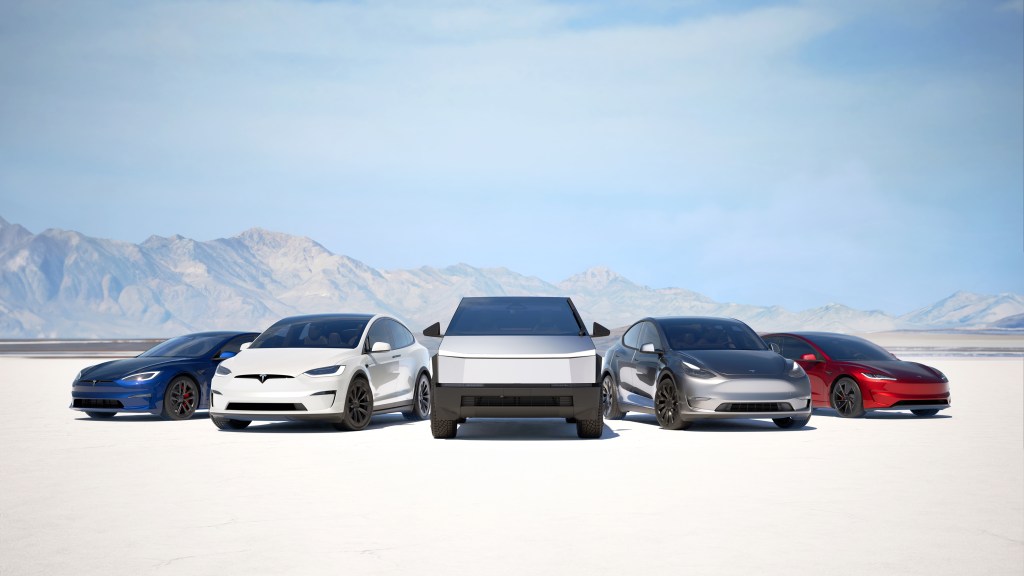
Tesla’s self-driving technology, marketed as “Full Self-Driving Capability” (FSD), has generated considerable excitement and controversy. FSD boasts impressive features, including navigating highways and city streets, changing lanes, and responding to traffic signals. These capabilities push the boundaries of what’s currently available in driver-assistance systems. Tesla continuously improves its software, making the system more capable with each over-the-air update. A large fleet of Teslas equipped with FSD is already on the road, and the data gathered from these vehicles is used to train and refine Tesla’s AI models. Proponents argue that FSD has the potential to reduce accidents caused by human error.
However, it’s crucial to address the controversies surrounding FSD. Firstly, the name “Full Self-Driving” is misleading, as the system is not fully autonomous. It is classified as Level 2 autonomy, requiring constant driver supervision and intervention. Over-reliance on FSD can lead to a lack of situational awareness, making system failures potentially dangerous. Finally, FSD is an expensive add-on, making it inaccessible to many Tesla owners.
Beyond Tesla: A Look at Other American Automakers
While Tesla often dominates the headlines, other American car companies are making significant strides in self-driving technology.
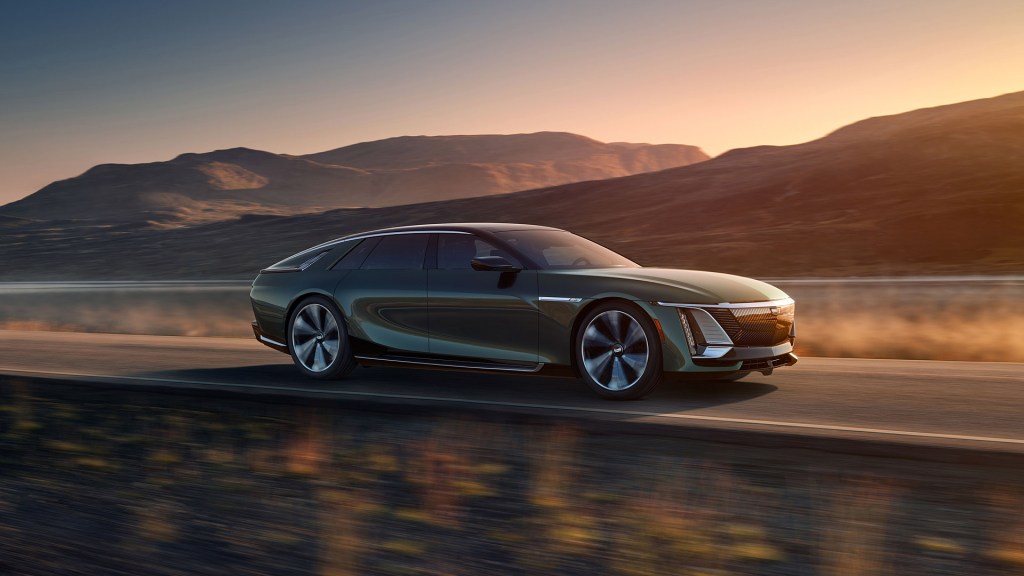
General Motors (GM) is actively developing autonomous vehicles through its subsidiary, Cruise. Cruise has been testing robotaxis in San Francisco, expanding its service area and operational hours. GM also recently introduced Ultra Cruise, another Level 2 system, on the 2024 Cadillac Celestiq. This system utilizes a comprehensive suite of sensors, including cameras, short and long-rangeradars, and lidar, to create an accurate 3D view of the environment.
In collaboration with GM, Honda has become the first car manufacturer to achieve Type Approval for a Level 3 autonomous driving system in Japan. Dubbed “Traffic Jam Pilot” and available as part of Honda Sensing Elite, this system can drive the vehicle under certain conditions while monitoring the surroundings on behalf of the driver. (General Motors, 2023)
Toyota is another notable player investing heavily in AI-supported driving. Their “Guardian” system focuses on advanced safety systems that assist the driver and prevent accidents, while “Chauffeur” aims for fully autonomous driving. (Toyota, 2023)
Unlike Tesla’s aggressive pursuit of full autonomy, these companies are taking more measured approaches. They are focusing on enhancing driver assistance, improving safety, and gradually introducing higher levels of autonomy. These companies are also actively collaborating with other automakers and tech companies to accelerate development and share resources.
The Road to Safe Autonomy: Navigating the Complexities of Self-Driving Cars
Self-driving cars hold the potential to revolutionize transportation, but their widespread adoption hinges on ensuring their safety. This is a multifaceted challenge that demands careful consideration of several key factors.
Autonomous vehicles rely on a suite of sophisticated sensors – cameras, lidar, and radar – to perceive their surroundings. These sensors must operate flawlessly in all conditions, from bright sunshine to blinding snowstorms, accurately detecting and interpreting objects, road markings, and other vehicles. Any malfunction could have disastrous consequences.
The Brain Behind the Wheel
The software that processes the sensor data and makes driving decisions is the brain of a self-driving car. This software must be robust, error-free, and capable of handling unexpected situations. Bugs or glitches could lead to dangerous maneuvers or accidents. All considered, self-driving systems are vulnerable to hacking, which could compromise their functionality or allow malicious actors to take control of the vehicle. Strong cybersecurity measures are essential to prevent such attacks and ensure passenger safety.
Rigorous testing in diverse environments and scenarios is crucial to validate the safety and reliability of self-driving systems. This includes simulations, closed-track testing, and real-world road testing. A major challenge is identifying and handling “edge cases” – unusual or unexpected situations that may not be encountered during normal driving. Self-driving systems must be able to safely navigate these unpredictable events.
The Human Factor
Even in highly automated vehicles, drivers may need to take over control in certain situations. Systems that monitor driver attention and readiness are crucial to ensure a safe transition of control. However, over-reliance on self-driving systems can lead to driver complacency and delayed reactions when human intervention is required. Proper training and education are essential to help drivers understand the capabilities and limitations of these systems. The rise of self-driving cars raises complex ethical and societal questions. How should these systems be programmed to make life-or-death decisions in unavoidable accident scenarios? Who is responsible in the event of an accident? Will self-driving technology be accessible to everyone, or will it exacerbate existing inequalities?
Building a Foundation for the Future
Self-driving cars could benefit from smart infrastructure, such as connected traffic signals and road sensors, that can provide real-time information and improve safety. This will require public investment. Clear regulations and standards are also needed to ensure the safe deployment of self-driving technology and provide a framework for testing, validation, and liability.
Successfully integrating these cars into our transportation system requires addressing these multifaceted safety and ethical considerations. It demands collaboration between automakers, technology companies, regulators, and the public to ensure that these systems are safe, reliable, and beneficial for everyone.


 RoadStar