

Guest Author: Addison R. Hunter

Addison R. Hunter is a 25-year-old certified risk adjustment auditor for a major health insurance company, proving he knows a thing or two about navigating complex systems. Currently, he's pursuing a master's degree in cybersecurity and information assurance at Western Governors University. When he's not deciphering healthcare regulations or diving deep into the digital world, Addison can be found cruising on his 2005 Harley Sportster or hitting the open road in his 2018 Mazda 6 Touring. A self-proclaimed tech enthusiast, he's always looking for innovative ways to integrate technology into his work, hobbies, and everyday life, with a future dream of modding his spare 2001 Honda Accord XL. Addison also enjoys photography, video games, staying active, playing guitar and piano, and modding his motorcycle. Oh, and let's not forget his two red-heeler mixes who are undoubtedly the bestest boys.
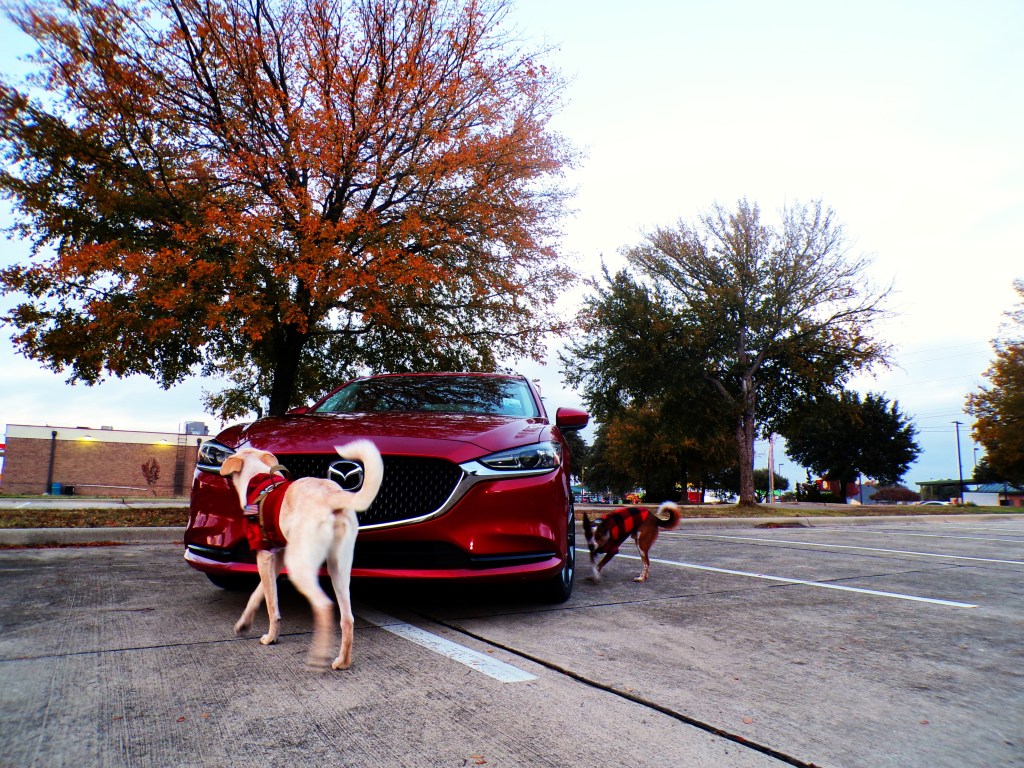
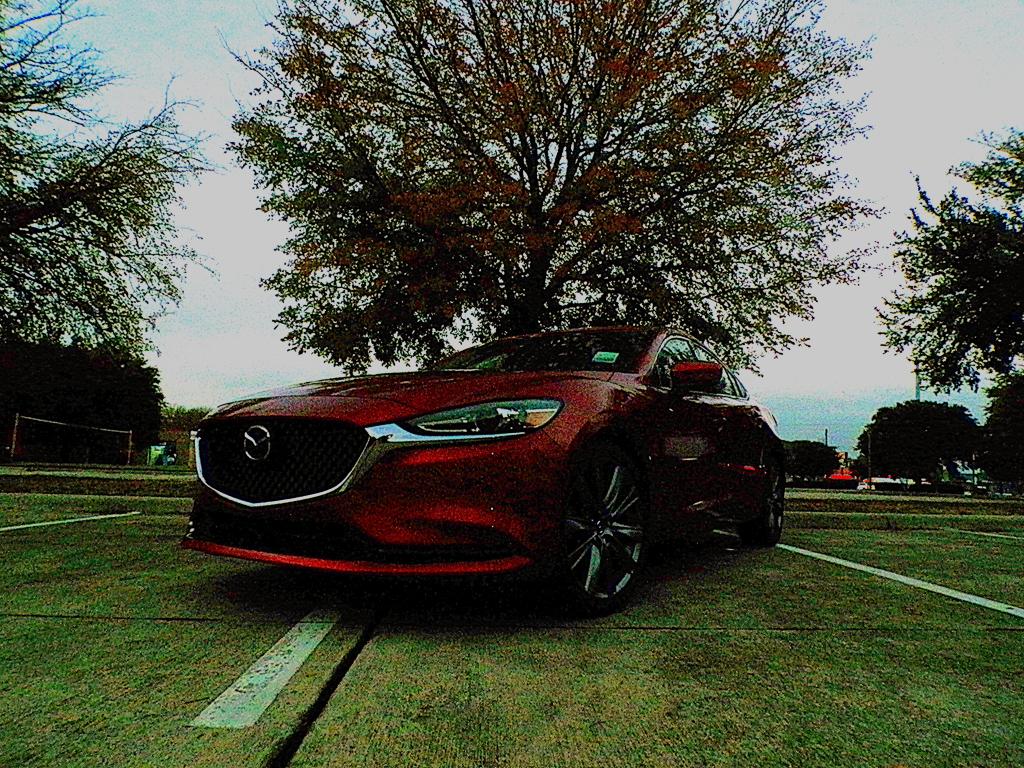
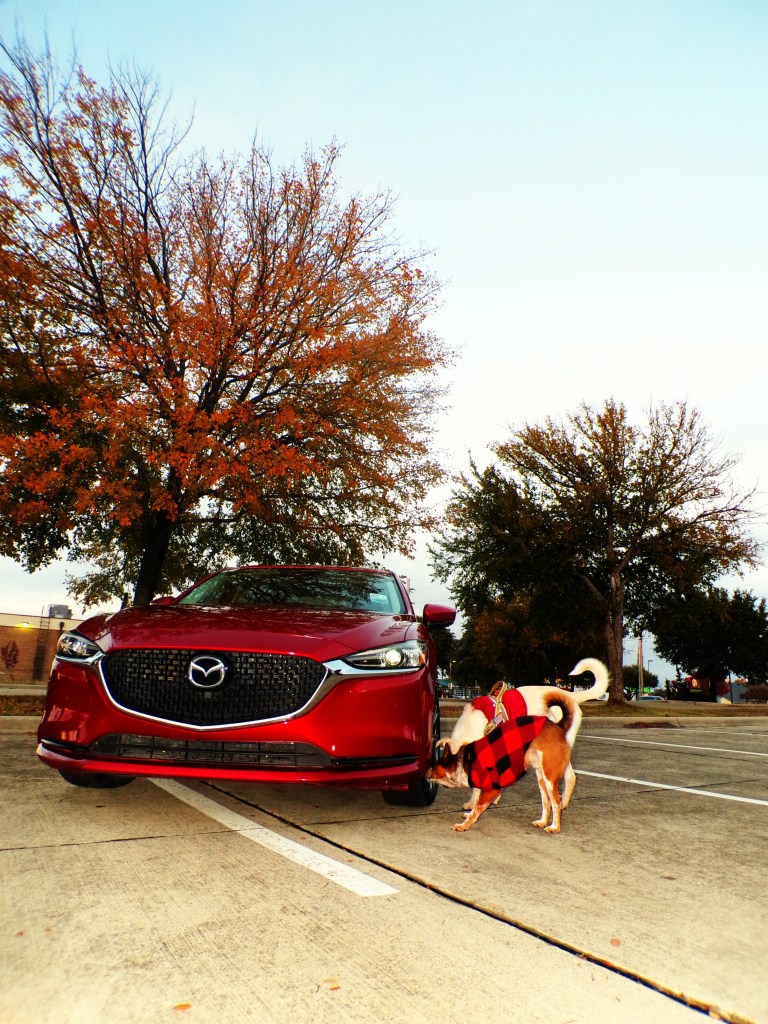
Finding Unexpected Thrills in a 2018 Mazda 6
I recently purchased a 2018 Mazda 6, and while I was initially drawn to its sleek appearance and its reputation for making even a trip to the grocery store feel a bit like a joyride, I quickly discovered an unexpected bonus: the car’s advanced driver-assistance features. As I cruised down the highway, hands resting lightly on the wheel (because let’s be honest, I was feeling a bit fancy), I was both amused and slightly anxious watching the car navigate curves like it had taken a tap dance class, smoothly adjusting its speed as if it was trying to impress the vehicle in front of it. What really caught me off guard was how this car seemed to have a mind of its own! It zipped through corners with a surprising level of grace, and the acceleration was so smooth I almost expected it to offer me a compliment.
This experience sparked my curiosity about how these technologies can actually improve a car’s performance. It turns out that these systems, with their advanced sensors, AI, and control algorithms, can optimize handling, maximize efficiency, and even enhance speed. For example, I was amazed by how the car seamlessly adjusted its traction control on a rainy day, preventing any slipping or sliding without me even noticing. It felt like the car was anticipating my needs before I even knew I had them. This got me thinking about the broader implications of these advancements, not just for convenience but for overall driving pleasure.
Let’s dive into the exciting world of performance enhancements in today’s cars and explore how they’re changing the way we think about driving.
Performance Enhancements: How Self-Driving Systems Can Boost Driving Dynamics
Self-driving systems aren’t just about autonomy; they also have the potential to revolutionize vehicle performance. By leveraging advanced sensors, AI, and control algorithms, they can enhance handling, efficiency, and even speed, leading to a more exciting and engaging driving experience.
Optimized Handling and Control
Self-driving systems can react to changing road conditions and make minute adjustments to steering and braking with greater precision and speed than a human driver, potentially improving handling and stability. For instance, during one of my drives, I noticed how the car adjusted its traction control when I hit a patch of wet pavement, maintaining stability without me even realizing it. This level of precision is made possible by the car’s ability to process information from multiple sensors simultaneously, including cameras, radar, and lidar, creating a comprehensive understanding of the road conditions and adjusting the car’s behavior accordingly.
Improved Efficiency
Self-driving systems can analyze real-time data on wind speed and direction and adjust the vehicle’s aerodynamics (e.g., active spoilers, adjustable ride height) to minimize drag and improve fuel efficiency. On a recent road trip, I was impressed to see how the car’s settings adjusted automatically when I entered the highway, optimizing fuel usage seamlessly. This feature not only saves money on gas but also contributes to a smoother, more environmentally friendly ride.
Enhanced Power and Speed
Self-driving systems can execute perfect launches by precisely controlling the throttle, clutch, and gearshifts, maximizing acceleration from a standstill. One day, I decided to test the acceleration from a stoplight, and it felt like I was in a race—smooth and powerful! This precise control over the car’s powertrain can also enhance safety by ensuring optimal acceleration and deceleration in various situations.
Predictive Capabilities
By analyzing data from sensors and GPS, the system can anticipate upcoming curves, hills, or traffic conditions and adjust the vehicle’s speed and trajectory accordingly, leading to smoother and more efficient driving. I recall cruising through a winding mountain road where the vehicle anticipated every curve, making the drive exhilarating yet comfortable. This predictive capability not only enhances the driving experience but also has the potential to improve safety by proactively adjusting to potential hazards.
Tesla: Leading the Charge, But With Caveats
Tesla’s self-driving technology, marketed as “Full Self-Driving Capability” (FSD), has generated considerable excitement and controversy. FSD boasts impressive features, including navigating highways and city streets, changing lanes, and responding to traffic signals. These capabilities push the boundaries of what’s currently available in driver-assistance systems. Tesla continuously improves its software, making the system more capable with each over-the-air update.
However, it’s crucial to address the controversies surrounding FSD. Firstly, the name “Full Self-Driving” is misleading, as the system is not fully autonomous. It is classified as Level 2 autonomy, requiring constant driver supervision and intervention. Over-reliance on FSD can lead to a lack of situational awareness, making system failures potentially dangerous.
Beyond Tesla: A Look at Other Automakers
While Tesla often dominates the headlines with its bold claims and rapid updates, other American car companies are quietly but steadily making significant strides in self-driving technology. These companies are taking diverse approaches, from focusing on specific use cases to prioritizing advanced safety features, and their progress is worth exploring.
General Motors: Cruising Towards Autonomy
General Motors (GM) is aggressively pursuing autonomous vehicle technology through its subsidiary, Cruise. Cruise has been testing robotaxis in San Francisco, gradually expanding its service area and operational hours as it refines its technology and gains regulatory approvals. This real-world testing in a complex urban environment provides valuable data and experience that can accelerate the development of autonomous driving capabilities. Beyond robotaxis, GM recently introduced Ultra Cruise, a sophisticated Level 2 system, on the 2024 Cadillac Celestiq. Ultra Cruise utilizes a more advanced sensor suite than GM’s previous Super Cruise system, including lidar, to create a detailed 3D map of the environment. This allows for more precise navigation and a wider range of hands-free driving capabilities on highways and city streets.
Honda: Achieving Level 3 Autonomy
Honda, in collaboration with GM, has achieved a significant milestone by becoming the first car manufacturer to achieve Type Approval for a Level 3 autonomous driving system in Japan. This system, known as “Traffic Jam Pilot,” allows the car to take over driving responsibilities in specific situations, such as congested highways, while monitoring the surroundings and ensuring safety. This achievement demonstrates Honda’s commitment to developing advanced autonomous driving capabilities and its focus on enhancing driver convenience and safety in specific scenarios.
Toyota: Investing in AI-Powered Driving
Toyota is another major player investing heavily in AI-powered driving technologies. They are taking a two-pronged approach, developing both advanced driver-assistance systems (ADAS) and fully autonomous driving capabilities. Their “Guardian” system focuses on enhancing safety by providing drivers with advanced assistance features that can help prevent accidents. This includes features like lane keeping assist, automatic emergency braking, and adaptive cruise control. Meanwhile, their “Chauffeur” system aims for full autonomy, allowing the car to handle all driving tasks. Toyota’s Woven City, a prototype “city of the future” being built in Japan, will serve as a testing ground for these technologies and accelerate their development.
The Road to Safe Autonomy: Navigating the Complexities of Self-Driving Cars
Self-driving cars hold the potential to revolutionize transportation, promising increased safety, efficiency, and accessibility. However, realizing this vision requires overcoming a complex web of challenges. Ensuring the safety of autonomous vehicles is paramount, demanding a multifaceted approach that addresses not only the technology itself but also the human factors and ethical implications intertwined with its development.
Sensing the World Around
Autonomous vehicles rely on a suite of sophisticated sensors to perceive their surroundings. These sensors act as the car’s eyes and ears, constantly gathering information about the environment. Cameras capture visual data, identifying objects, lane markings, and traffic signals. Lidar, which uses lasers to measure distances, creates a detailed 3D map of the surroundings, enabling the car to “see” in three dimensions. Radar, with its ability to penetrate fog and darkness, detects objects and measures their speed and trajectory.
These sensors must operate flawlessly in all conditions, from bright sunshine to blinding snowstorms. Any malfunction or misinterpretation of data could have disastrous consequences. For example, a sensor failing to detect a pedestrian crossing the road or misinterpreting a shadow as an obstacle could lead to a collision. Therefore, ensuring sensor reliability and redundancy is crucial. This involves not only using high-quality sensors but also implementing sensor fusion techniques, where data from multiple sensors is combined to create a more robust and accurate perception of the environment.
The Brain Behind the Wheel
The software that processes the sensor data and makes driving decisions is the brain of a self-driving car. This software, often powered by artificial intelligence and machine learning algorithms, analyzes the constant stream of information from the sensors and translates it into driving commands. It must be robust, error-free, and capable of handling unexpected situations, such as sudden lane changes, pedestrians crossing the road, or obstacles in the path.
Developing such sophisticated software is a monumental task. Engineers must train the algorithms on massive datasets, exposing them to a wide range of driving scenarios and ensuring they can make safe and appropriate decisions in real-time. Bugs or glitches in the software could lead to dangerous maneuvers or accidents, underscoring the need for rigorous testing and validation to ensure the software’s reliability and safety.
Testing, Testing, and More Testing
Rigorous testing in diverse environments and scenarios is crucial to validate the safety and reliability of self-driving systems. This includes simulations, closed-track testing, and real-world road testing. Simulations allow engineers to test the system’s responses in a controlled virtual environment, exposing it to a wide range of scenarios, including rare and dangerous situations that may be difficult to replicate in real life. Closed-track testing provides a safe space to evaluate the car’s performance in various scenarios, such as emergency braking, obstacle avoidance, and lane changes. Real-world road testing is essential to gather data and experience in complex, unpredictable situations, allowing the system to learn and adapt to the nuances of real-world driving.
Guarding Against Cyberattacks
Self-driving systems are vulnerable to hacking, which could compromise their functionality or allow malicious actors to take control of the vehicle. This poses a serious threat to passenger safety and requires robust cybersecurity measures to prevent unauthorized access and ensure the integrity of the system. Protecting against cyberattacks is crucial not only to prevent accidents but also to maintain public trust in self-driving technology. This involves implementing measures such as encryption, intrusion detection systems, and secure software updates to safeguard the car’s systems from malicious attacks.
The Human Factor
Even in highly automated vehicles, drivers may need to take over control in certain situations. This could be due to system limitations, unexpected events, or challenging road conditions. Systems that monitor driver attention and readiness are crucial to ensure a safe transition of control. This may involve monitoring the driver’s gaze, hand position, and responsiveness to ensure they are alert and ready to take over when needed. However, over-reliance on self-driving systems can lead to driver complacency, making it challenging to regain situational awareness quickly. Therefore, striking a balance between automation and human oversight is crucial.
Ethical Crossroads and Societal Impacts
The rise of self-driving cars raises complex ethical and societal questions. How should these systems be programmed to make life-or-death decisions in unavoidable accident scenarios? For example, if a collision is inevitable, should the car prioritize the safety of its occupants or minimize overall harm? These are difficult questions with no easy answers, requiring careful consideration of ethical principles and societal values. Furthermore, questions of liability and responsibility arise. Who is responsible in the event of an accident involving a self-driving car? Is it the driver, the manufacturer, the software developer, or someone else? Clear legal frameworks and guidelines are needed to address these issues.
Building a Foundation for the Future
Successfully integrating self-driving cars into our transportation system requires addressing these multifaceted safety and ethical considerations. It demands collaboration between automakers, technology companies, regulators, and the public to ensure that these systems are safe, reliable, and beneficial for everyone. This involves developing clear safety standards and regulations, investing in infrastructure to support autonomous vehicles, and educating the public about the capabilities and limitations of self-driving technology. Open communication and collaboration are essential to build trust and ensure a smooth transition to a future where autonomous vehicles can enhance our lives.
Conclusion: A Personal Reflection on Self-Driving Technology
Reflecting on my experience with the Mazda 6, I recognize how advancements in driver-assistance technology can significantly enhance the driving experience. While the promise of self-driving cars offers exciting potential, it is essential to approach these developments thoughtfully and responsibly. As we continue to explore the capabilities of these vehicles, I remain optimistic about a future where technology and safety coalesce for an improved driving experience.
References
Cruise. (2022, June 21). Uber and Cruise to deploy autonomous vehicles on the Uber platform. [Press release].
General Motors. (2023, January 5). GM, Cruise and Honda are bringing autonomous vehicle ridehail service to Japan. [Press release].
Han, K., Kim, D., Kang, J., & Lee, S. (2021). Design and analysis of the trajectory of an overtaking maneuver performed by autonomous vehicles operating with advanced driver-assistance systems (ADAS) and driving on a highway. 1 International Journal of Automotive Technology, 22(6), 1483–1494.
Joscelyn, R. (2023, June 21). U.S. opens new investigation into Tesla’s ‘Full Self-Driving’ system after fatal crash. PBS NewsHour.
Shaikh, S. (2023, June 20). AI in self-driving cars: Key technologies explained. Javatpoint.
Tesla. (n.d.-a). Autopilot and Full Self-Driving Capability. Retrieved November 30, 2024, from https://www.tesla.com/autopilot
Tesla. (n.d.-b). Full Self-Driving (Supervised) Subscriptions. Retrieved November 30, 2024, from https://www.tesla.com/support/full-self-driving-subscriptions
Toyota. (2023, March 6). Toyota and Generative AI: It’s Here, and This is How We’re Using It. Toyota USA Newsroom. https://pressroom.toyota.com/toyota-and-generative-ai-its-here-and-this-is-how-were-using-it/
U.S. Energy Information Administration. (n.d.). Independent statistics and analysis. Retrieved November 30, 2024, from https://www.eia.gov/
Additional Resources (Not Specifically Cited but Relevant)
RAND Corporation: https://www.rand.org/
National Highway Traffic Safety Administration (NHTSA): https://www.nhtsa.gov/
Insurance Institute for Highway Safety (IIHS): https://www.iihs.org/
Society of Automotive Engineers (SAE International): https://www.sae.org/
Autonomous Vehicle Safety Consortium (AVSC): [invalid URL removed]


 RoadStar